
RESEARCH INTO
DRONE AUTONOMY

Arcnova 2026 presents Ylabs LLC’s research into autonomous drone modes. The research examines how sensing, onboard software, aircraft design and human oversight shape autonomous behaviour.
three 3 research perspectives

Sensing and interpretation.
Studying how onboard sensing contributes to an understanding of the surrounding environment.
The central questions are what a system can observe, where information is incomplete and how uncertainty should be represented.
Behaviour in changing conditions.
Examining how autonomous navigation depends on terrain, environmental conditions and available connectivity.
This perspective considers the assumptions behind navigation decisions and how changing conditions expose the limits of a system.
Keeping behaviour understandable.
Studying the relationship between autonomous behaviour and human supervision.
The focus is on making system state, decisions and uncertainty clear to the people overseeing a flight.
Sensing and interpretation.
Studying how onboard sensing contributes to an understanding of the surrounding environment.
The central questions are what a system can observe, where information is incomplete and how uncertainty should be represented.
Behaviour in changing conditions.
Examining how autonomous navigation depends on terrain, environmental conditions and available connectivity.
This perspective considers the assumptions behind navigation decisions and how changing conditions expose the limits of a system.
Keeping behaviour understandable.
Studying the relationship between autonomous behaviour and human supervision.
The focus is on making system state, decisions and uncertainty clear to the people overseeing a flight.
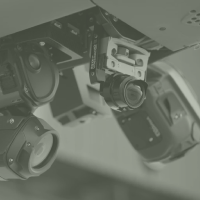

Illustrative imagery
From sensing to human oversight, Arcnova studies how the parts of an autonomous system relate to one another.





From design choices to testable questions.
We examine how hardware, software and component interfaces affect a system’s behaviour, maintenance and evaluation.


Prototyping & production

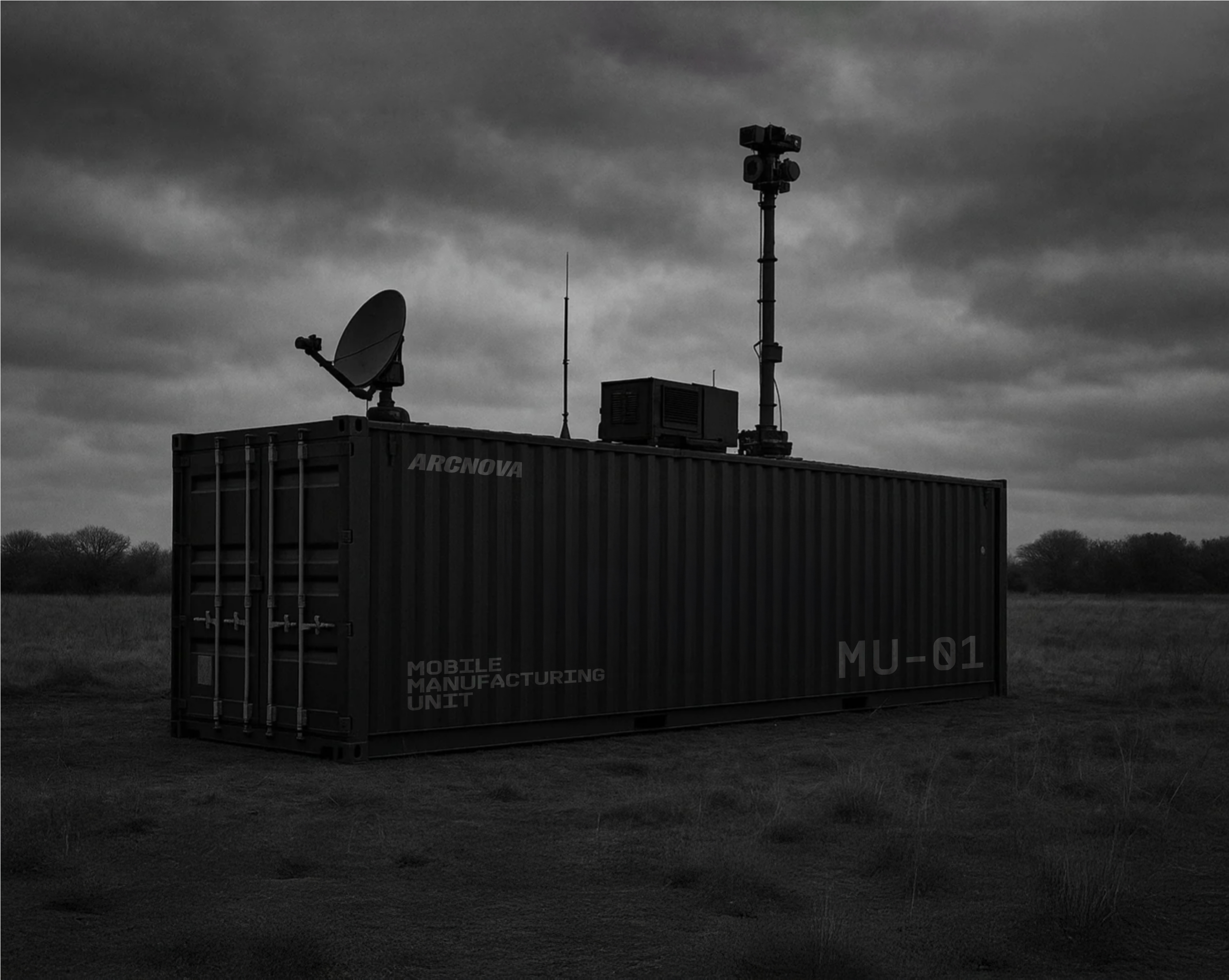

Inspection & maintenance

Repeatable assembly

Modular workspaces

Environment & evaluation
Autonomy depends on conditions beyond the aircraft. Terrain, weather and connectivity shape what can be observed and how behaviour should be evaluated.
Simulation allows controlled comparison; practical evaluation introduces real-world variation. A useful assessment makes its assumptions, conditions and limits explicit.
Discuss  the research
Contact Ylabs LLC with questions about Arcnova’s studies or to discuss related research and collaboration.
